
Keeping Kids Safe During a Heat Wave
June 23, 2025
Keeping Kids Hydrated
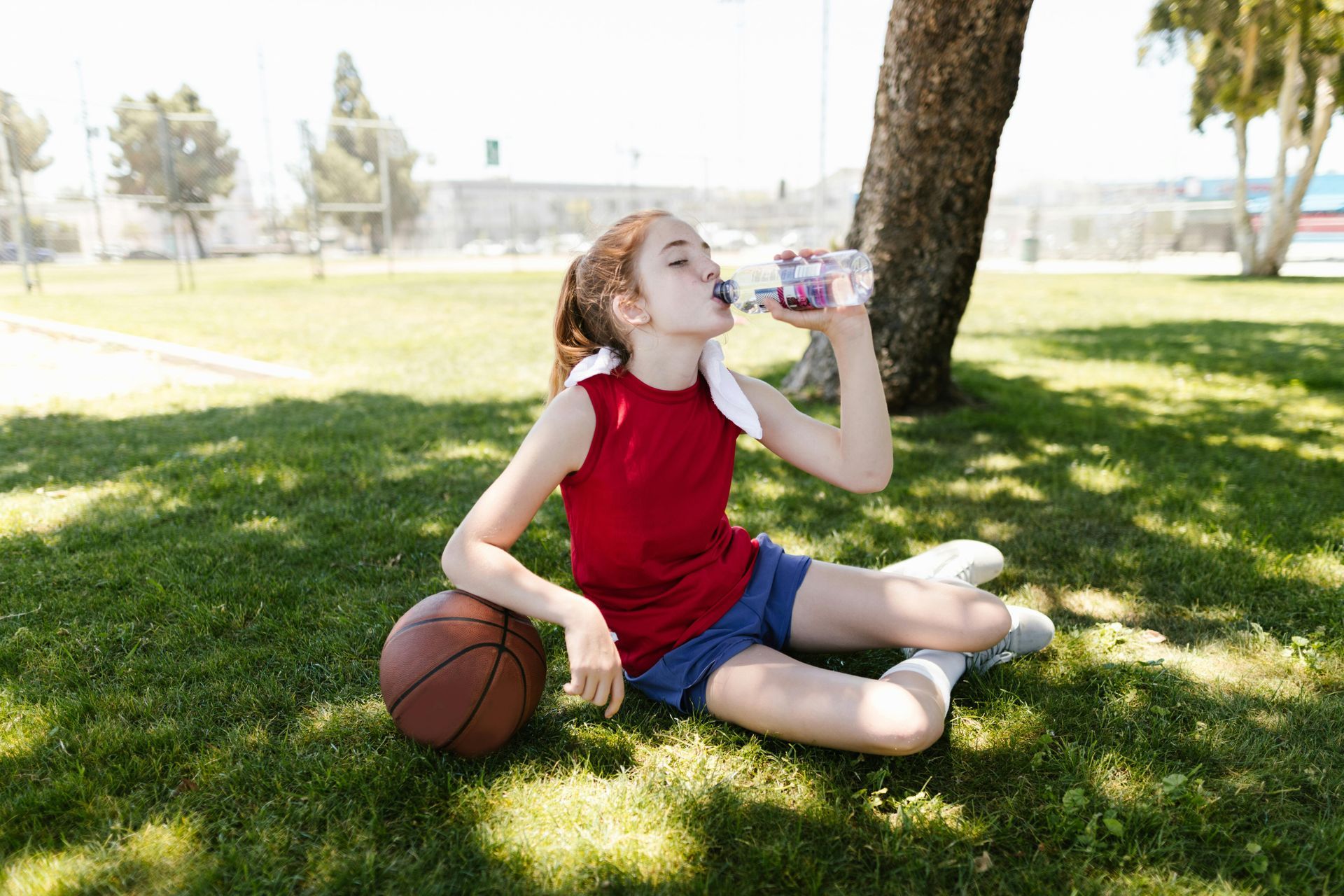
As parents it is crucial that we keep our kids well hydrated during a heatwave. As pediatricians it is our goal to guide you in ways to do that. Here are effective ways to do that:
1. Prioritize Water
- Make water readily available: Ensure children have access to water at all times, especially during physical activities. Carry water bottles when going out.
- Encourage frequent drinking: Prompt children to drink water often, even if they don't feel thirsty, as thirst may not happen until dehydration has already started.
- Make them hydrate prior to sports events: Again, waiting until they are thirsty is too late.
2. Hydrating Foods:
- Offer water-rich fruits and vegetables: Include options like watermelon, cucumbers, celery, strawberries, oranges, and more.
- Consider popsicles and smoothies: Homemade popsicles made with natural fruit juices or smoothies can be a fun way to help kids stay cool and hydrated. Choose ingredients that are naturally high in water content.
3. Manage Activity Levels:
- Limit outdoor activities during peak heat: Schedule outdoor activities for cooler parts of the day, such as early mornings or late afternoons
- Plan for frequent rest breaks: Heat can be tiring, so ensure children get enough rest and encourage them to come inside to cool orr regularly.
- Cool off with water: Encourage cool baths, water misting, or supervised water play like swimming or sprinklers.
4. Special considerations:
- Infants: Breastfeed / give bottles of formula more often. Water is not recommended for infants younger than 6 months.
- Toddlers: Prioritize water and milk, limiting fruit juice intake to no more than 4 ounces per day (diluted if given).
- Physical Activity: If children are engaged in strenuous activities lasting over 60 minutes, sports drinks may be used sparingly to replace electrolytes. However, water should remain the primary source of hydration.
- Avoid sugary and caffeinated drinks: Soda, energy drinks, and excessive juice can contribute to dehydration and should be limited or avoided.
5. Recognize the signs of Dehydration:
- Early signs: Thirst, dry lips and tongue, fatigue, and feeling overheated.
- More serious signs: Decreased urination, dry mouth, lack of tears when crying, sunken eyes, headache, dizziness, irritability.
6. Seek Medical attention if Needed:
- If your child shows signs of heatstroke or severe dehydration, seek medical attention immediately.

FLU VACCINATION : The American Academy of Pediatrics (AAP) strongly recommends that everyone 6 months of age and older should receive an annual flu vaccine, unless there is a specific medical reason to not get the vaccine, such as a known allergy to the vaccine ingredients. The flu vaccine is the most effective way to prevent serious illness, hospitalization, and death from influenza disease. The vaccination decreases the risk of getting the disease, and also decreases flu severity if the individual does get infected. Children, especially those younger than 5 years of age, and people with chronic conditions, such as asthma, heart disease, diabetes, seizures or those who are immune compromise, are at a higher risk of severe illness and hospitalization. The vaccine is crucial for their protection. Timing: Vaccination ideally should be before the end of October. However, as long as flu viruses are circulating, it is beneficial to get vaccinated. Number of Doses: For children ages 6 months to 8 years getting either their 1st ever dose, or if they only received one prior dose, they will require 2 doses of the vaccine for the current season. The two doses are given at least 4 weeks apart. Types of Vaccine: Both the flu shot, which is inactivated (killed), and the nasal spray, which is live attenuated, are options. The Flu Mist spray may be given to children at least 2 years of age without asthma or other significant underlying medical conditions. The Flu Mist may cause mild nasal congestion in the next 2-3 days. It is also important for family members of vulnerable individuals to receive their flu vaccine. This is especially important to protect infants less than 6 months of age who are too young to receive the vaccine, people with significant medical issues, and older individuals who are at risk for more severe disease. The flu vaccine may be given at the same time as other recommended immunizations, including the COVID-19 vaccine and the RSV antibody shot. The American Academy of Pediatrics encourages parents to get their child's flu vaccine at their pediatrician's office, as the have the child's full health history and can ensure accurate record-keeping and comprehensive care. COVID VACCINATION: The American Academy of Pediatrics has issued science based guidelines for COVID-19 immunization in children. The vaccination guidelines for COVID-19 are based on the assessment of risk for more severe COVID-19 infection, which varies based on age and the presence of high risk medical conditions and situations. Children 6 through 23 months of age: The AAP strongly recommends COVID-19 vaccination for all children in this age group, unless the have a medical contraindication, such as a known allergy to vaccine ingredients. This recommendation is based on the high risk of severe COVID-19 disease and high risk of hospitalization in infants and toddlers who have COVID-19 infection. Previously unvaccinated infants and toddlers of this age require 2 vaccines separated by at least 28 days. Children and Adolescents 2 through 18 years of age: The AAP recommends COVID-19 vaccination for this age for those at high risk of severe COVID-19 infection. The AAP also endorses that the vaccine should be available for any child or adolescent whose parent desires them to be protected from COVID-19 by immunization, regardless of risk status. High risk conditions include: Chronic pulmonary disease, including asthma Cardiovascular disease, such as congenital heart disease Diabetes Obesity Sickle cell disease Chronic liver disease or inflammatory bowel disease Immunosuppressive conditions Systemic lupus (SLE) or Juvenile Rheumatoid Arthritis (JRA) Neurologic conditions, such as seizures, cerebral palsy, wheelchair dependent Individuals who have never been vaccinated against COVID-19 People with household contacts who are at high risk of severe COVID-19 Residents of long-term care facilities Please contact our office to schedule a flu vaccine if your child has not yet been vaccinated this season. Please schedule a COVID-19 vaccination if your child is under 2 years of age, has a high risk for severe COVID-19 disease, or if you desire to vaccinate your healthy child to prevent COVID-19 infection. Remember, prevention is always preferred and is your safest course of action. Contact our office at 717-243-1943 if you have any questions.

The body content of your post goes here. To edit this text, click on it and delete this default text and start typing your own or paste your own from a different source.
Anxiety is the most common mental health concern among teenagers, affecting approximately one third of all US adolescents to some degree. Anxiety symptoms have significantly increased after the COVID pandemic with disruptions in schooling and daily routines, some people are still struggling to get back into a healthy mental state. Some degree of anxiety is not a concern, and may actually be beneficial to keep you safe in high-risk situations, but if anxiety starts taking control and affecting you physically or interrupting your ability to function in a range of environments, then it's time to take action. Anxiety can cause various symptoms. These symptoms include: Feeling "on edge" Feeling restless or nervous Having frequent worries or fears Irritability Difficulty concentrating Avoiding social activities Avoiding new or stressful situations Worsening school performance Chronic physical complaints such as muscle tension, headaches, stomach aches Difficulty sleeping It is ALWAYS important to remember that your mind and body are intimately related, and a first step to help with anxiety is to be sure you are taking care of your body. That means getting good nutrition (EAT THOSE FRUITS and VEGGIES), getting proper amounts of sleep (8-9 hours/night), and exercising. Exercise is a great way to reduce stress and produce the "happy chemicals" in your brain that make you feel better. Multiple studies have shown the benefit of spending time outside to lessen anxiety. Enjoying the beautiful sights and sounds of nature is very calming, and listening to nature, specifically listening to birds, has also been shown to decrease stress. Unfortunately, spending time on electrics, especially social media, has been shown to INCREASE anxiety among teenagers. So, put down your phone, get off your computer your gaming device, get up, get outside and do some outside activities! (Don't forget your sunscreen when you're outside!) There are also great self-calming techniques you can learn to help with stress levels. A great place to start is googling "Cognitive Behavioral therapy" exercises. These techniques should be practiced when you're calm at home so you are easily able to use them in times of stress. There are multiple breathing techniques, mental imaging exercises, physical muscle exercises, and mindfulness techniques. choose which you like that works best for you and practice them when needed. You can learn ways to control your anxiety so you are in charge of the anxiety rather than the anxiety being in control of you! Counselors can also be beneficial to help with self-calming techniques and with assisting you in decreasing your level of anxiety. Counseling is always a great starting point for anxiety treatment. BUT if your anxiety level is high and significantly affecting your ability to function normally, studies have shown that BOTH counseling and medication together work better than either one alone. So, if you've tried counseling and are still having significant anxiety, or if your anxiety is severe, please contact us for further evaluation and discussion of treatment options. So, put down your phones and other electronics, limit your time on social media, eat nutritious meals, get proper sleep, and get outside and enjoy the beauty of nature! Learn some self-calming techniques and practice them. BUT get help and notify us if your anxiety is affecting your daily life or keeping you from doing things you need or want to do. Don't let anxiety rule your life. YOU ARE IN CHARGE, NOT your anxiety.

Childhood Vaccines are Necessary and Safe
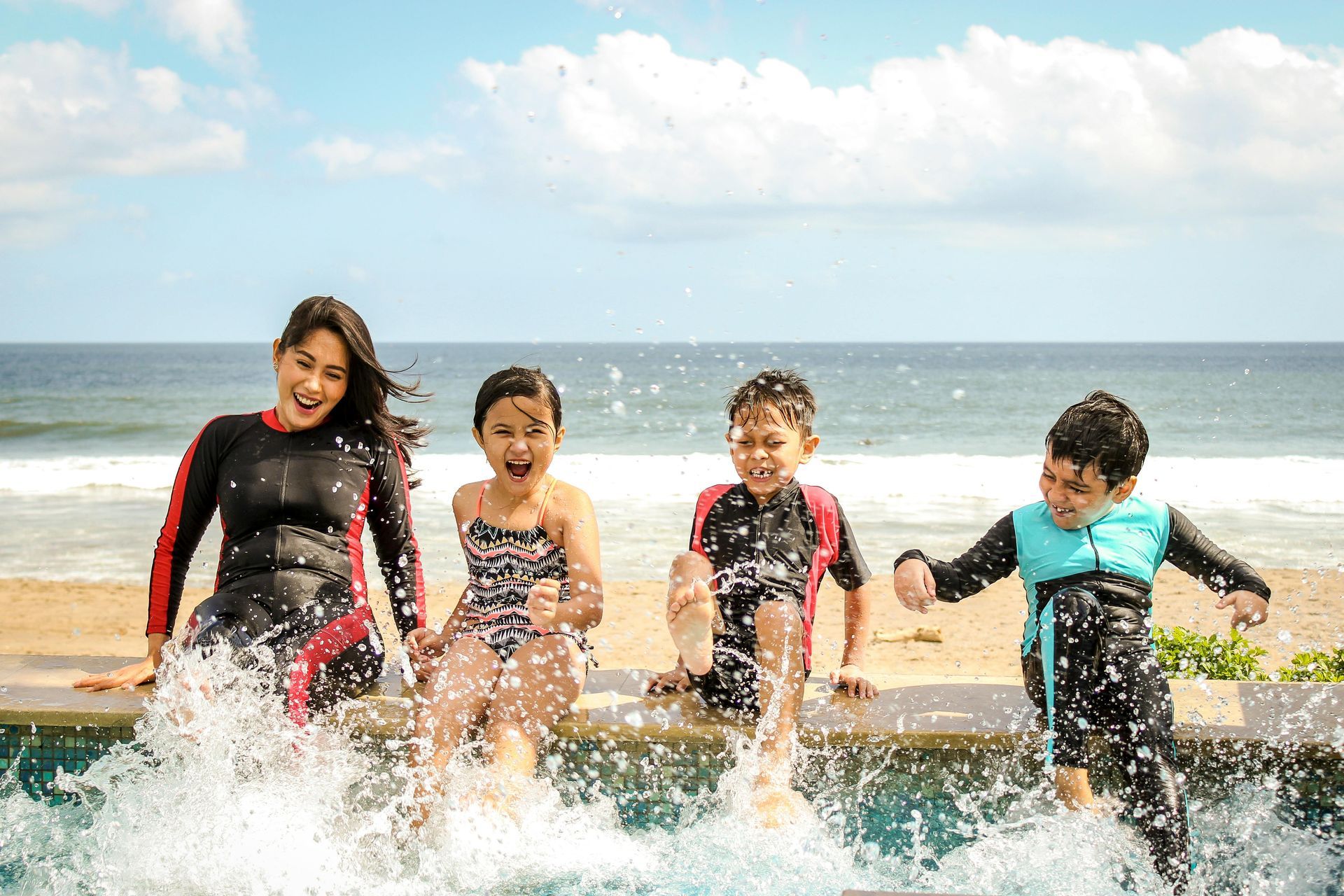
Spending time outdoors is one of childhood's greatest joys-jumping in puddles, running through sprinklers, making a splash at the beach, or simply exploring the the backyard. Sunshine fuels vitamin D production, lifts moods, and encourages active play. But those UV rays can be harsh on young skin. At Carlisle Pediatric Associates, we believe every moment under the sun can be both safe and fun.
Here's how to make the most of sunny days without the burn.
1. Pick The Right Time
Aim for early or late play: Sunlight is the strongest between 10am and 4pm.
2. Gear Up
Use a broad-spectrum, water-resistant formula with SPF 30.
Apply 15 minutes before heading out and reapply every two hours, or immediately after swimming or heavy sweating.
3. Wear Protective clothing
4. Wear hats and sunglasses
5. Seek shade
6. Hydrate
7. Babies under 6 months should be in the shade and out of the sun. Sunscreen is not recommended for them.
8. Spot & Treat Sunburn Early
Signs to watch